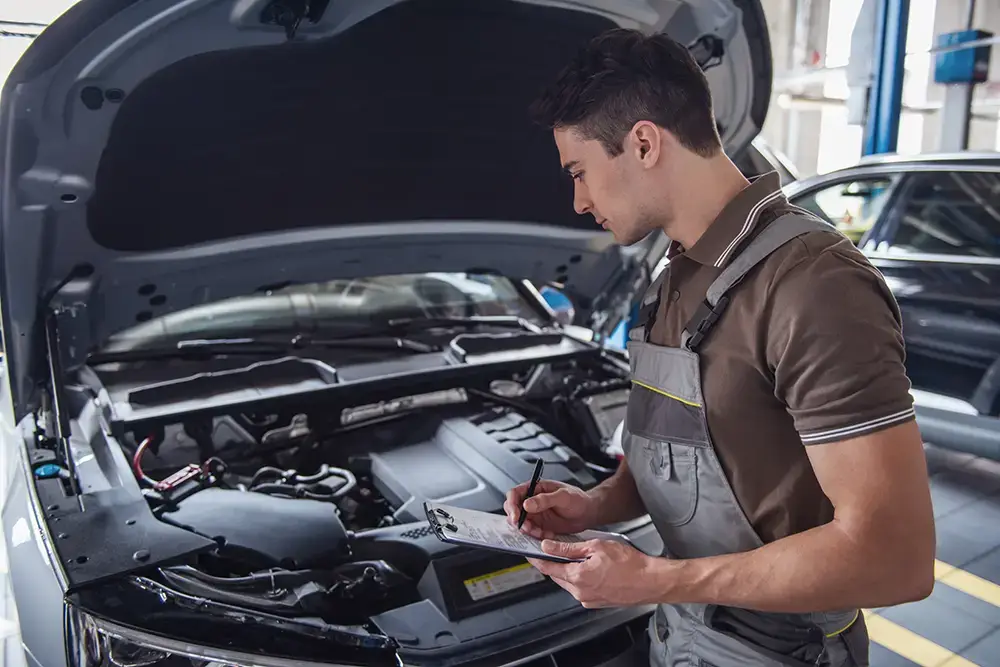

Temperature extremes are hard on a vehicle. Cold weather thickens fluids, stiffens rubber, and strains batteries. Heat accelerates fluid breakdown, stresses tires, and pushes cooling systems to their limit. Twice a year — before summer and before winter — a short maintenance check can prevent the kind of seasonal breakdown that always seems to happen at the worst possible time.
Preparing for Winter
Check the battery.
Cold weather is the number one cause of battery failure, since low temperatures reduce a battery’s ability to hold a charge right when the engine needs more power to start. If your battery is three years or older, have it load-tested before winter arrives.
Switch to the right oil weight if needed.
Cold weather is the number one cause of battery failure, since low temperatures reduce a battery’s ability to hold a charge right when the engine needs more power to start. If your battery is three years or older, have it load-tested before winter arrives.
Inspect tire tread and consider winter tires.
Tread depth affects traction on snow and ice significantly. If you live somewhere with real winters, dedicated winter tires outperform all-season tires substantially once temperatures drop below freezing.
Test the coolant/antifreeze mix.
Coolant needs the correct antifreeze ratio to prevent freezing in the engine block, which can cause serious and expensive damage. A quick test strip or a shop check confirms you’re protected down to the temperatures you’ll actually see.
Replace worn wiper blades and top off washer fluid.
Top off washer fluid with a freeze-resistant formula. Visibility during snow and sleet depends on both.
Check the heater and defroster.
These aren’t just comfort features—a working defroster is a safety necessity.
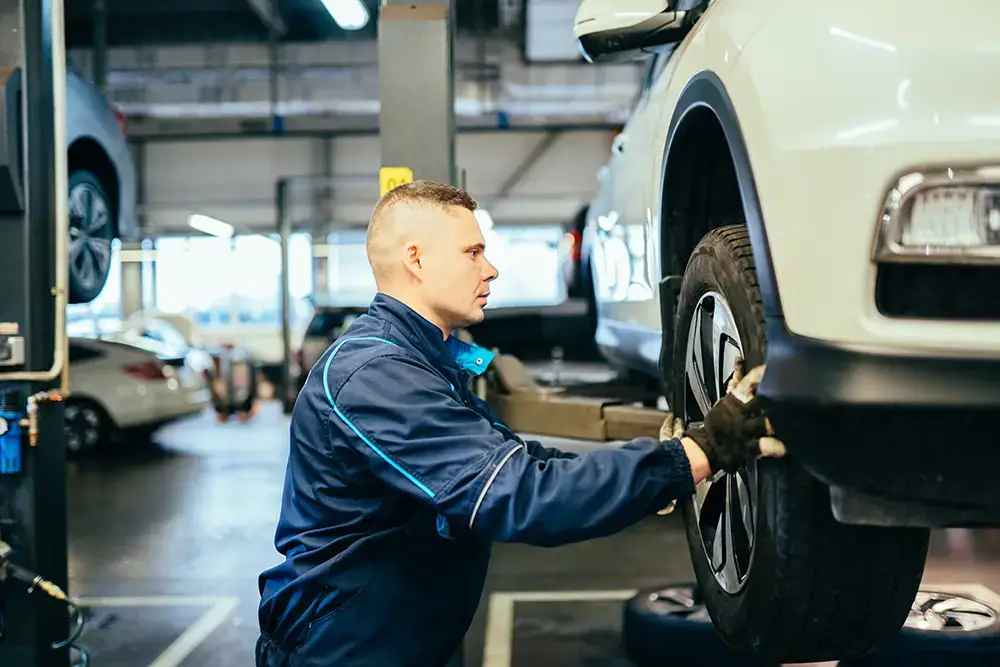
Preparing for Summer
Check the cooling system.
Overheating is one of the most common warm-weather breakdowns. Have coolant levels, hose condition, and the radiator cap checked before temperatures climb.
Inspect the air conditioning system.
If it’s blowing warm or weak, low refrigerant or a failing compressor could be the cause — both are easier and cheaper to address before the first heat wave than during it.
Check tire pressure regularly.
Heat causes air inside tires to expand, and pressure that was correct in cooler months can run high in summer. Overinflated tires wear unevenly and reduce grip.
Inspect belts and hoses for cracking.
Heat accelerates rubber degradation. A belt that looks fine in spring can fail by late summer if it was already showing small cracks.
Check the battery again.
Heat is actually harder on batteries over time than cold is, even though cold is what triggers most no-start situations. Summer heat accelerates the internal corrosion that shortens a battery’s life.
Why This Matters More Without a Warranty
A factory warranty often absorbs the cost of failures that seasonal stress accelerates — batteries, cooling systems, air conditioning components. Once that coverage lapses, these same seasonal failures become out-of-pocket expenses, and they tend to arrive at inconvenient moments: a dead battery on the coldest morning of the year, an overheating engine on a summer road trip.
This is exactly the kind of scenario an extended vehicle service contract is built to handle. Many contracts cover air conditioning, cooling system components, and electrical systems — the parts most likely to fail under seasonal stress — turning an unpredictable breakdown into a manageable, budgeted repair.
Related reading: